Ultra-fine Electrostatic Spray-applied Polyethylene Powder Coating
Product description
The electrostatic spray-applied anti-corrosion polyethylene powder coating is a thermoplastic powder coating formulated with polyethylene resin, compatibilizers, functional additives, pigments, and fillers. It exhibits excellent adhesion and corrosion resistance, along with superior chemical stability, electrical insulation properties, and low-temperature performance. Designed for outdoor weather resistance, it can be customized according to customer requirements. Compared to conventional polyethylene powders, its primary advantage lies in its thin-layer applicability, enabling spraying under both cold and hot conditions; alternatively, fluidized bed dip coating can also be employed.
Application area
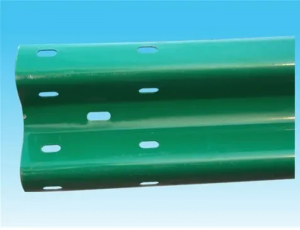
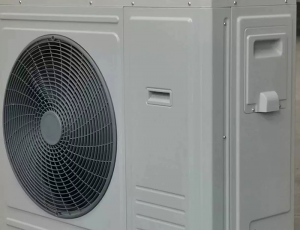
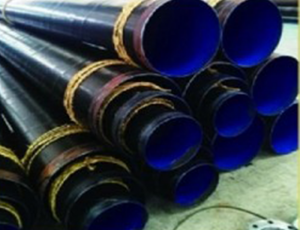
This product is suitable for electrostatic coating of various chemical equipment, industrial pipelines, and metal components, ensuring uniform coverage even on complex workpieces.
Product property
Non-volatile matter content: ≥99.5%
Specific gravity: 0.9–0.98 g/cm³ (varies depending on color)
Particle size distribution: ≤200 μm
Melt index: 5–50 g/10 min (2.16 kg, 190°C) [Depends on the workpiece to be coated and customer’s requirements]
Storage: Below 35°C, in a cool and dry area. It is recommended to follow the first-in, first-out principle for product usage.
Process requirements
Pre-treatment: Oil removal can be achieved through high-temperature methods, solvent methods, chemical methods, or sandblasting for rust removal; chemical treatments such as phosphating may also be applied. The treated substrate surface should be neutral appearance.
Spraying technique: Room temperature spraying or heated spraying;
Spraying process parameters (for reference): High-voltage electrostatic spray gun, voltage 40–100 kV, film thickness 150–450 μm;
Post-plasticizing process: 180–250°C, 0–20 minutes [this post-heating plasticizing step facilitates the formation of a smooth coating on the metal workpiece surface].
Cooling: Air-cooled or naturally cooled;
Storage: Store in a cool, well-ventilated, and dry indoor environment below 35°C, away from sources of ignition. The shelf life is two years from the date of production. Upon expiration, the product may be reused if retested and found compliant. It is recommended to follow the first-in, first-out principle for product usage.
Film properties
The sample preparation conditions for the following data: a 2 mm thick steel plate with degreased and de-rusted surfaces, coated under standard construction conditions, with a film thickness of 400 μm.
|
Color |
GB/T 9761 |
No obvious visual difference was observed (when compared with the sample mold). |
|
Appearance |
Visual inspection |
Flat and smooth (slight orange peel texture allowed) |
|
Coating thickness um |
GB/T 13452.2 |
150-400 |
|
Glossiness % |
GB/T 9754.60° |
10-75 (adjusted according to customer requirements) |
|
Bending (membrane thickness 200 μm) |
GB/T 6742 |
≤2mm |
|
Shore hardness (D) |
GB/T 2411 |
45-55 (adjusted according to customer requirements) |
|
Low-temperature embrittlement susceptibility |
Q/HJ0O8-2008 |
-35°C. No cracks observed after 60 hours. |
|
Adhesion |
JT/T 6001, Section 5.5.2.3.2 |
Level 0 |
|
Heat resistance: 8 hours |
GB/T 1740 |
No blistering or rust detachment observed |
|
Impact test (9 N·m) |
GB/T 18226, Section 6.3.5 |
No peel-off, no fracture. |
|
Salt spray resistant |
GB/T 18226 |
500 hours. No cracking; no blistering, peeling, or rusting. |
|
8h, Cross-test: No blistering or rust detachment observed |
||
|
Weather resistance |
GB/T 1865 |
1000h: Light loss, discoloration: Grade 1; pulverization, cracking: Grade 0 |
|
Natural sun exposure for one year; Light loss and discoloration: Grade 1; chalking and cracking: Grade 0 |
||
|
Chemical-resistant |
|
5% HCl immersion for 400 h: No changes observed for the surface coating |
|
5% NaOH immersion for 72 hours: No changes observed for the surface coating |
Recycling Usage
It is recyclable, but the particle size of the recycled powder becomes coarser; therefore, it is recommended to determine the appropriate dosage ratio through practical testing.